
- Home
- Dubai Travel Guide
- Dubai Creek Guide for First-Time Visitors: What to See, Do and Experience
- Dubai Travel Guide
- On 20.08.2026
- Lovanshu Tiwari
Dubai Creek Guide for First-Time Visitors: What to See, Do and Experience
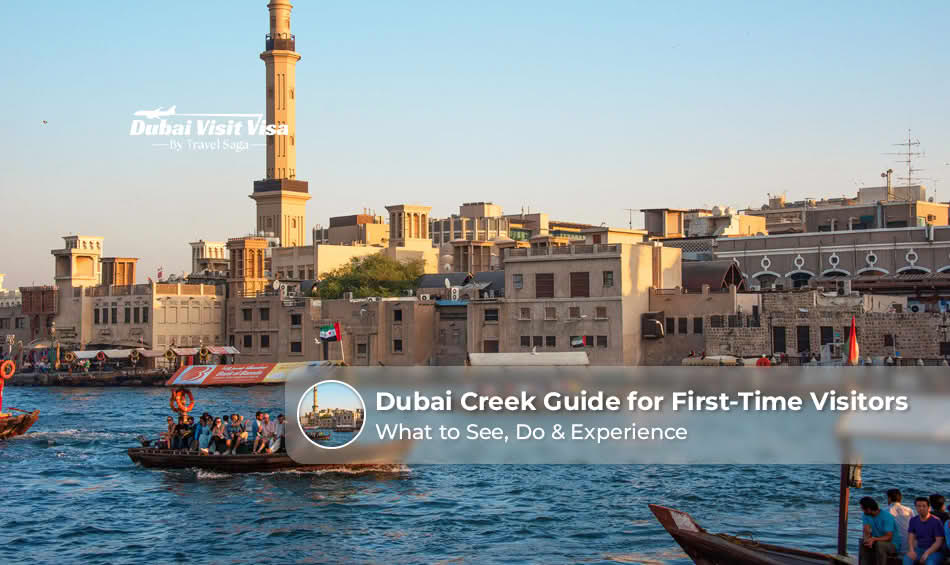
Dubai Creek is one of the best places to visit if you want to understand the city beyond its skyscrapers and luxury malls. The creek divides historic areas of Dubai and has long been connected with the city’s trading and maritime history. Today, the surrounding neighbourhoods combine traditional souks, heritage architecture, waterfront dining, museums, cafés and modern developments. For first-time visitors, Dubai Creek can feel like a completely different city from the one represented by Burj Khalifa and Downtown Dubai. An afternoon here can take you through narrow historic lanes, busy markets and traditional boat crossings before ending with a meal beside the water. Dubai’s official tourism guide describes the Creek as a historic part of the city and recommends experiences including abra crossings, souks and Al Fahidi Historical Neighbourhood. If you need a Dubai tourist visa before your trip, ApplyDubaiVisitVisa.com can assist with the application process.
Why Visit Dubai Creek?
Dubai Creek gives travellers a chance to experience an older side of Dubai. Instead of focusing only on modern architecture, you can see traditional buildings, markets and waterways that are closely connected to the city’s development.
A Different Side of Dubai
A trip to the Creek can provide a useful contrast to Downtown. You may spend the morning surrounded by skyscrapers and then find yourself walking through traditional souks and historic neighbourhoods later in the day.
Good for First-Time Visitors
The area works particularly well for first-time visitors because several experiences can be combined into one itinerary. You can explore heritage areas, take an abra, visit markets and enjoy traditional food without needing to cross the entire city.
Enquire NowUnderstanding Dubai Creek
Dubai Creek is a natural saltwater creek that has historically played an important role in trade and transportation. The areas around it developed as commercial and residential communities, helping shape Dubai’s early identity as a trading centre.
Deira Side
The Deira side is strongly associated with the traditional markets. This is where visitors can explore the Gold Souk and Spice Souk while experiencing the busy atmosphere of Old Dubai.
Bur Dubai Side
On the Bur Dubai side, you can explore Al Fahidi Historical Neighbourhood and nearby heritage attractions. The combination of both sides makes a Creek visit more interesting than simply viewing the water.
Start at Al Fahidi Historical Neighbourhood
Al Fahidi Historical Neighbourhood is one of the most rewarding starting points for a first visit. The area preserves traditional architectural elements and offers a glimpse into Dubai before the modern skyline transformed the city Visit Dubai describes Al Fahidi as a place to explore Dubai’s culture, heritage and architecture.
Walk Through the Lanes
Take your time rather than rushing through. Look at the traditional wind towers, courtyards, doors and building details.
Explore Cultural Spaces
Some buildings house museums, galleries, cafés and cultural organisations. Opening hours vary, so check the individual venue before visiting.
Take an Abra Across the Creek
An abra ride is one of the simplest ways to experience Dubai Creek. Traditional wooden abras cross the water and provide a short but memorable connection between the two sides. Visit Dubai specifically highlights the traditional abra crossing as a way to travel across Dubai Creek.
Why the Ride Is Worth Doing
The ride itself is brief, but it offers a different perspective of the waterfront. You can watch traditional boats, commercial activity and the surrounding neighbourhoods from the water.
Go With the Flow
You do not need to turn the abra ride into a major attraction. Treat it as part of your journey between the historic neighbourhoods and souks.
Explore the Spice Souk
The Spice Souk is one of the most colourful experiences around Old Dubai. The market is filled with spices, herbs and other aromatic products, creating an atmosphere very different from Dubai’s modern shopping centres. Visit Dubai describes it as a vibrant bazaar centred around spices and herbs.
Take Time to Look Around
Do not simply walk through the market. Look at the displays, ask questions and take in the smells and colours.
Ask Before Taking Photos
If you want to photograph shopkeepers or close-up products, be respectful and ask when appropriate. Avoid turning people into unwilling subjects.
Visit the Gold Souk
The Gold Souk is another iconic part of Deira. It is known for its jewellery shops and displays, giving visitors an insight into one of Dubai’s most famous trading traditions. Visit Dubai lists the Gold Souk as a destination for gold jewellery and gemstones.
You Do Not Have to Buy Gold
You can visit simply to see the displays. The scale and presentation of the jewellery shops are interesting even if shopping is not part of your trip.
Compare Before Buying
If you do decide to purchase jewellery, take time to understand the product, pricing and applicable charges. Do not rush because you feel pressured to buy.
Visit the Perfume Souk
If you enjoy fragrances, the traditional perfume market can be another interesting stop. The area gives visitors a chance to discover Arabic fragrance traditions and products that may differ from what they normally find at home.
Ask About Fragrances
Shopkeepers may be able to explain different scents and ingredients. If you are buying perfume as a souvenir, take your time rather than choosing the first fragrance you smell.
Explore Al Seef
Al Seef sits along Dubai Creek and combines heritage-inspired architecture with modern restaurants, cafés and shops. Visit Dubai describes it as a destination with shopping and cafés along the Creek.
Why Al Seef Is Different
Al Seef provides a more polished waterfront experience while retaining design elements inspired by Old Dubai. It can be a comfortable place to continue your Creek visit after exploring the historic neighbourhoods.
Visit Around Sunset
The waterfront can be particularly atmospheric later in the day. You can combine a walk with dinner or a café stop.
Try Traditional Emirati Food
Food can turn a Creek visit into a much more complete cultural experience. Old Dubai has restaurants serving Emirati dishes alongside cuisines influenced by the city’s diverse communities. Visit Dubai highlights traditional Emirati food, souk snacks and Creekside dining as part of the area’s culinary heritage.
Try Something Local
If you normally choose familiar international food while travelling, use your Creek visit as an opportunity to try something different. Ask the restaurant staff about traditional dishes if you are unsure what to order.
Explore Street-Level Food
The markets and surrounding neighbourhoods provide opportunities to discover casual food and snacks. Keep your itinerary flexible so you have time to stop when something catches your attention.
Visit the Sheikh Mohammed Centre
The Sheikh Mohammed bin Rashid Al Maktoum Centre for Cultural Understanding offers opportunities to learn more about Emirati culture and customs. Dubai’s official 2026 city guide includes cultural activities such as Arabic classes and mosque visits among experiences available through the centre.
Ask Questions
Cultural experiences can be particularly valuable for first-time visitors because they provide context for what you see around Dubai.
Learn About Local Customs
Understanding local traditions can also make the rest of your holiday more enjoyable. You will recognise details of Emirati architecture, food and etiquette when exploring other parts of the city.
Explore Dubai’s Heritage Architecture
One of the pleasures of visiting the Creek is simply looking around. Traditional buildings have a very different visual character from Downtown Dubai.
Look for Wind Towers
Wind towers were designed to help circulate air through buildings before modern air-conditioning systems became widespread. They are among the architectural details that give Old Dubai its distinctive appearance.
Photograph Details
Doors, courtyards, walls, textiles and market displays can make interesting subjects. Remember to respect privacy when people are involved in your photographs.
Visit the Museums and Galleries
The areas around Al Fahidi contain cultural attractions, galleries and museums. Not every venue has the same opening hours.
Choose One or Two
First-time visitors sometimes try to enter every museum they see. Instead, choose one or two that match your interests and leave enough time for walking.
Check Opening Hours
Some smaller cultural venues may have different schedules from major attractions. Confirm before making them the centre of your itinerary.
Take a Traditional Boat Experience
Beyond the short abra crossing, visitors may find other boat experiences around the Creek. Options can include traditional dhow-style experiences and longer waterfront journeys.
Choose According to Your Time
If you only have a few hours, the traditional abra crossing is enough to experience the Creek from the water. If you have more time, consider a longer boat experience.
Evening Cruises
A sunset or evening cruise can offer a different atmosphere. Check the exact route and duration before booking.
Walk Along the Waterfront
You do not need to book an activity for every part of your Creek visit. Walking is one of the best ways to understand the area.
Explore Slowly
Move between the historic streets, market areas and waterfront rather than following a rigid schedule.
Stop for a Drink
A café break gives you time to rest and observe the surroundings. The Creek is a place where slowing down can actually improve the experience.
Dubai Creek for Families
Families can enjoy the Creek, although younger children may need more breaks than they would at a conventional theme park.
The Abra Ride
Children often enjoy the novelty of travelling by m traditional boat. Keep young children close and follow the operator’s safety instructions.
Markets Can Be Busy
The souks can become crowded. Keep children within sight, particularly in busy market lanes.
Dubai Creek for Couples
Couples may enjoy a slower itinerary around the Creek. An afternoon of heritage exploration followed by an abra ride and dinner can feel very different from a typical modern Dubai evening.
Sunset by the Water
Time your visit so you can see the Creek around sunset.
Dinner at Al Seef
Al Seef offers a convenient setting for continuing the evening after exploring Old Dubai.
Dubai Creek for Solo Travellers
The Creek is also well suited to solo exploration. You can move at your own pace and spend more time in the areas that interest you.
Join a Cultural Tour
A guided tour can be useful if you want historical context rather than simply walking through the neighbourhood.
Keep Your Belongings Secure
The usual precautions for busy tourist areas apply. Keep your phone, wallet and passport secure while exploring crowded markets.
Read more: Dubai Visa for Solo Female Travellers: Safety, Documents and Tips
When Is the Best Time to Visit?
There is no single perfect time for everyone. The best timing depends on the weather and the experiences you want to include.
Morning
Morning can work well for exploring the souks before the day becomes busier.
Afternoon
Afternoon allows you to combine Al Fahidi with a later abra ride and evening plans.
Evening
Evening is particularly appealing for waterfront walks and dining. During hotter months, late afternoon and evening can be more comfortable for outdoor exploration.
Read More: What is the Best Time to Visit Dubai? How to Get a Dubai Visit Visa?
How Long Do You Need?
A first-time visitor can see several highlights in a few hours, but a full day allows a much more relaxed experience.
Short Visit
With limited time, prioritise:
- Al Fahidi Historical Neighbourhood
- Abra crossing
- Spice Souk
- Gold Souk
Half-Day Visit
Add:
- Cultural experiences
- Traditional food
- Al Seef
- Additional market exploration
Full-Day Visit
A full day gives you time for museums, cultural experiences, leisurely meals and an evening by the Creek.
Getting to Dubai Creek
Dubai Creek is accessible from different parts of the city by Metro, taxi and other transport options. The exact route depends on which part of the Creek you want to visit.
Metro
Metro stations near Deira and Bur Dubai can provide convenient access to different parts of the area. Check your final destination rather than simply searching for “Dubai Creek”, as the Creek covers a broad area.
Taxi
A taxi can be more convenient for families or travellers carrying shopping bags. Give the driver the name of the specific neighbourhood or attraction.
Read More: Dubai Transport Guide – Metro, Taxi & Travel Tips
What Should You Wear?
Dubai welcomes visitors from around the world, but respectful clothing remains important, particularly around cultural and religious sites. Choose comfortable clothing suitable for walking and follow any specific dress requirements at individual attractions.
Comfortable Shoes
You will probably walk more than expected. Comfortable footwear is particularly useful around Al Fahidi and the souks.
Sun Protection
If visiting during the day, carry sun protection and water.
Photography at Dubai Creek
The Creek provides plenty of photographic opportunities. Traditional boats, market displays, architecture and waterfront views can create very different images from Dubai’s modern skyline.
Photograph Architecture
Al Fahidi’s buildings and traditional details are excellent subjects.
Respect People
Avoid taking close-up photographs of people without permission. This is particularly important in residential or busy market areas.
Shopping at Dubai Creek
Shopping is part of the Creek experience, but you do not need to buy anything.
Souvenirs
Spices, fragrances, textiles and traditional products can make memorable souvenirs.
Bargaining
Some market environments may involve negotiation, but the approach differs between products and shops. Stay polite and never feel obliged to complete a purchase.
A Simple First-Time Dubai Creek Itinerary
A practical itinerary could begin at Al Fahidi Historical Neighbourhood. Spend time exploring the lanes before visiting a cultural attraction or café. Then make your way towards the Creek and take a traditional abra across the water. Once on the Deira side, explore the Spice Souk and Gold Souk before stopping for a meal. If you still have energy, continue towards the waterfront or return to Al Seef for an evening walk and dinner. Dubai’s official 2026 city guide recommends a similar combination of souks, an abra crossing, Al Fahidi, cultural experiences and dining.
Common Mistakes First-Time Visitors Make
A Creek visit is relatively straightforward, but a few planning mistakes can reduce the enjoyment.
Trying to See Everything
The area has enough attractions to fill an entire day. Do not try to enter every museum and visit every market in one afternoon.
Ignoring Travel Time
The Creek stretches across a broad area.
Plan around specific neighbourhoods rather than treating the entire Creek as one small attraction.
Visiting Without Checking Hours
Individual attractions, restaurants and cultural venues can have different schedules.
Forgetting Comfortable Shoes
You are likely to spend considerable time walking.
Should You Visit Dubai Creek at Night?
Yes, depending on what you want to experience.
The waterfront and dining areas can be appealing in the evening, while some cultural attractions and shops may close earlier.
Evening Atmosphere
The Creek can feel especially atmospheric after m sunset. Traditional boats, waterfront lights and busy dining areas create a different mood from daytime sightseeing.
Check Individual Timings
Do not assume that every market or attraction remains open late. Check the specific venue before travelling.
Combining Dubai Creek With Other Attractions
You can combine the Creek with other parts of Dubai, but avoid putting distant attractions into the same short block of time.
Creek and Downtown
These can work together if you have a full day, but allow sufficient travel time.
Creek and Dubai Frame
Dubai Frame can be a logical addition to an Old Dubai-focused day, depending on your itinerary and opening times.
Creek and Al Seef
These are naturally compatible because Al Seef sits along the Creek.
Final Thoughts
Dubai Creek is one of the best places for first-time visitors who want to see a side of Dubai that goes beyond skyscrapers, luxury malls and modern attractions. A good Creek itinerary does not need to be complicated. Start around Al Fahidi Historical Neighbourhood, explore the traditional architecture, take an abra across the water and continue towards the Spice Souk and Gold Souk. If you have more time, add a cultural experience, traditional meal or evening visit to Al Seef. Dubai’s official tourism resources continue to highlight the Creek, abra crossings, Al Fahidi and the traditional souks as important experiences for visitors. The best way to experience the area is to leave some space in your schedule. Stop for food, browse a shop, talk to a local guide or simply sit beside the water for a while. If you need a Dubai visa before your trip, ApplyDubaiVisitVisa.com can assist with the application process. For a first visit, Dubai Creek is not simply another attraction to tick off a list. It is a chance to understand where the city’s story began.
FAQs – Dubai Creek Guide for First-Time Visitors: What to See, Do and Experience
Yes. Dubai Creek offers a different perspective of the city, with historic neighbourhoods, traditional souks, abra rides, cultural attractions and waterfront dining. It is particularly useful for travellers who want to experience Old Dubai.
Key experiences include Al Fahidi Historical Neighbourhood, the traditional abra crossing, Spice Souk, Gold Souk and Al Seef. The surrounding area also has cultural venues, museums, cafés and restaurants.
A few hours are enough to see the major highlights, but a half-day or full-day visit allows you to explore more slowly and include food, cultural experiences and additional attractions.
Yes. Traditional abra boats operate across Dubai Creek and are one of the classic ways to experience the area. Visit Dubai specifically recommends the abra crossing as a Creek experience.
The traditional markets offer a range of products, including spices, fragrances, gold jewellery and other goods. The Spice Souk and Gold Souk are among the best-known shopping destinations in the area.
Yes. Waterfront areas such as Al Seef can be enjoyable in the evening, although individual attractions and markets have their own operating schedules. Check the current timings before planning a late visit.
Visit Our Office: Get Directions